Infrastructure – InMemory (ServiceDeskLite.Infrastructure.InMemory)
The InMemory provider is used in Development and for all automated tests. It mirrors the PostgreSQL provider's port interfaces exactly.
InMemoryStore – Singleton
internal sealed class InMemoryStore
{
    private readonly ConcurrentDictionary<TicketId, Ticket> _tickets = new();
    private readonly ConcurrentBag<AuditEvent>              _auditEvents = new();
    private readonly ConcurrentBag<OutboxMessage>           _outboxMessages = new();

    // Tickets
    public bool TryGetTicket(TicketId id, out Ticket? ticket)
    public bool ContainsTicket(TicketId id)
    public IReadOnlyCollection<Ticket> SnapshotTickets()
    public void ApplyAdds(IEnumerable<Ticket> adds)          // Throws on duplicate

    // Audit events
    public void AppendAuditEvents(IEnumerable<AuditEvent> events)
    public IReadOnlyList<AuditEvent> GetAuditEventsByTicketId(TicketId ticketId)
    public IReadOnlyCollection<AuditEvent> SnapshotAuditEvents()

    // Outbox
    public void AppendOutboxMessages(IEnumerable<OutboxMessage> messages)
    public IReadOnlyCollection<OutboxMessage> SnapshotOutboxMessages()
}
Data persists for the application lifetime. Shared across all scoped requests.
InMemoryUnitOfWork – Scoped
internal sealed class InMemoryUnitOfWork : IUnitOfWork
{
    internal List<object> PendingAdds { get; } = [];

    public Task SaveChangesAsync(CancellationToken ct = default)
    {
        ct.ThrowIfCancellationRequested();

        var ticketAdds = PendingAdds.OfType<Ticket>().ToArray();
        if (ticketAdds.Length > 0) _store.ApplyAdds(ticketAdds);

        var auditEventAdds = PendingAdds.OfType<AuditEvent>().ToArray();
        if (auditEventAdds.Length > 0) _store.AppendAuditEvents(auditEventAdds);

        var outboxAdds = PendingAdds.OfType<OutboxMessage>().ToArray();
        if (outboxAdds.Length > 0) _store.AppendOutboxMessages(outboxAdds);

        PendingAdds.Clear();
        return Task.CompletedTask;
    }
}
All three entity types (Ticket, AuditEvent, OutboxMessage) are flushed atomically.
Repositories
| Class | Interface | Notes |
|---|---|---|
InMemoryTicketRepository |
ITicketRepository |
AddAsync → PendingAdds; reads → snapshot |
InMemoryAuditEventRepository |
IAuditEventRepository |
AddAsync → PendingAdds; GetByTicketIdAsync → store |
InMemoryOutboxRepository |
IOutboxRepository |
AddAsync → PendingAdds |
InMemoryDashboardRepository |
IDashboardRepository |
GetSummaryAsync → computed from snapshot |
Component Relationships

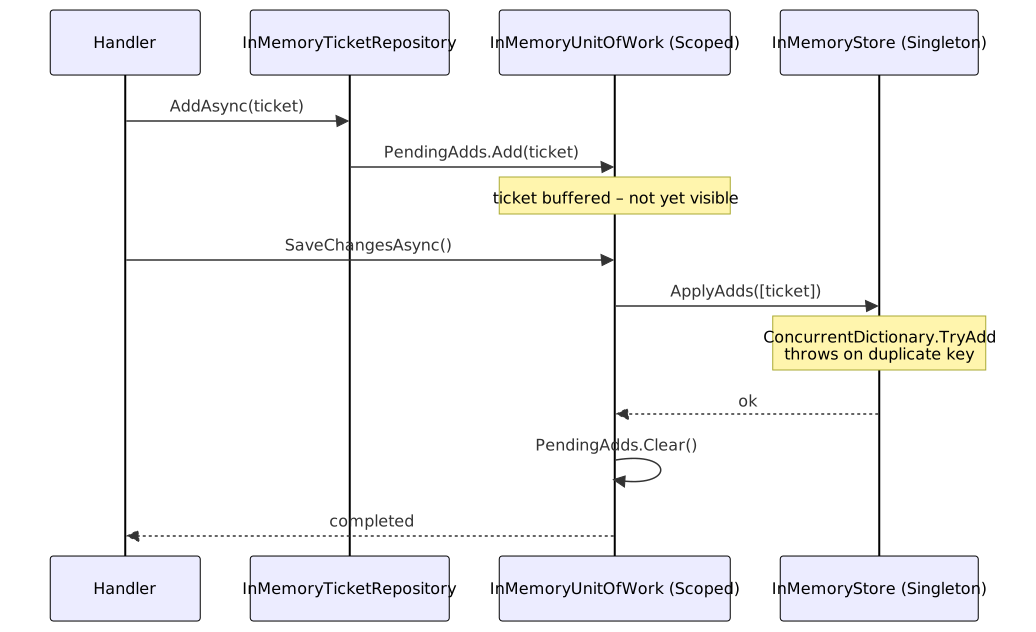
Unit of Work Commit Boundary
The two-phase write (buffer → commit) prevents partially visible state within a request scope.
DI Lifetime Summary
| Type | Lifetime | Reason |
|---|---|---|
InMemoryStore |
Singleton | Shared in-process state |
InMemoryUnitOfWork |
Scoped | Per-request change set |
InMemoryTicketRepository |
Scoped | References scoped UoW |
InMemoryAuditEventRepository |
Scoped | References scoped UoW |
InMemoryOutboxRepository |
Scoped | References scoped UoW |
InMemoryDashboardRepository |
Scoped | References singleton store |
| Use-case handlers | Scoped | Reference scoped repositories |